Introduction
Organizers of virtual events and conferences are always looking for new ways to captivate and engage their audiences. One such revolutionary technology that has taken the virtual experience to new heights is the use of video walls. In this blog, we will look at video walls, their technology, and how they affect audience engagement in virtual events.
1. Understanding Video Walls
A. Definition and Concept:
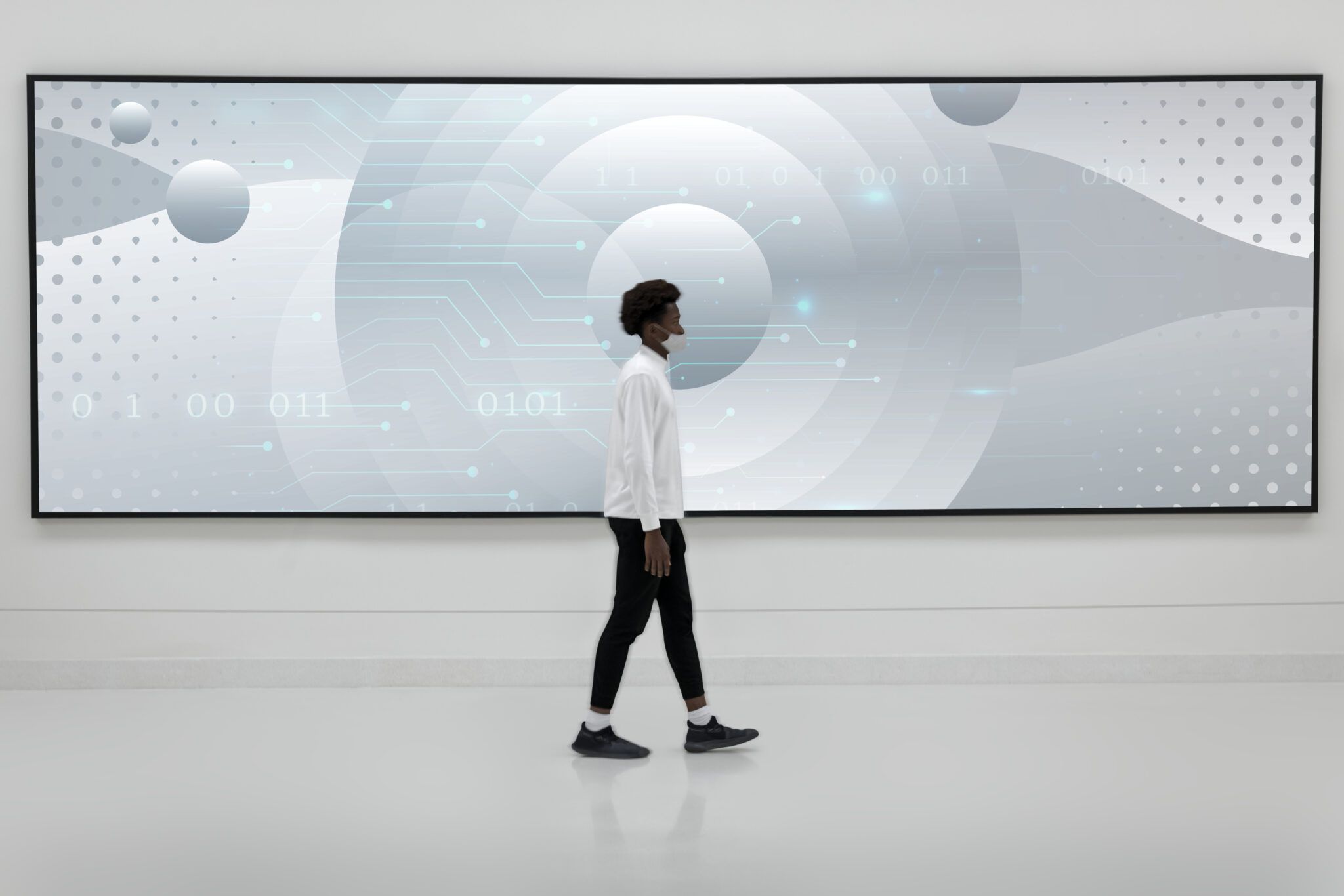
Video walls are large screens composed of multiple smaller screens arranged in a grid. They are designed to provide a seamless and captivating visual experience. These screens, whether LED, LCD or even OLED, offer a vibrant and dynamic canvas for content display.
B. Components of a Video Wall:
- Display screens are the basic parts of a video wall. They combine to make a big and unified picture.
- Video Wall Controller: This hardware device manages the content distribution across individual screens, ensuring synchronization and seamless transitions.
- Visual content can come from live feeds, pre-recorded videos, or interactive elements.
2. The Technology Behind Video Walls
A. Display Technology: LED displays outperform LCDs due to their brighter illumination, superior color reproduction, and suitability for video wall applications. LCDs, on the other hand, are more cost-effective and energy-efficient.
B. Resolution and Clarity: High-Resolution Screens: Video walls boast impressive resolutions, ensuring that even the smallest details are crystal clear. This is crucial for displaying intricate visuals and graphics during virtual events.
C. Interactive Capabilities: Some video walls have touchscreens. Presenters can interact with content in real-time. This allows them to create a more immersive experience for the audience.
3. Video Wall Solutions ForVirtualEvents
A. Seamless Integration with Virtual Platforms: Video walls are compatible with virtual event platforms. This compatibility ensures that organizers and attendees can enjoy a seamless and hassle-free experience.
B. Customizable Content Display: Video walls help organizers customize virtual event layouts to match the content and theme, offering flexibility in visual presentation.
C. Real-time Content Updates: Video walls can show live feeds from various sources, including social media. This keeps the content up-to-date and relevant during virtual events.
4. SImpact On Audience Engagement
A. Immersive Visual Experience: Big video walls make presentations more captivating and visually appealing, grabbing the audience’s attention.
B. Increased Interactivity: Audiences can participate actively in the video wall experience with interactive features like Q&A sessions, polls, and live chats.
C. Branding and Visual Identity: Video walls display branding elements, logos, and visuals to strengthen the event’s visual identity and promote sponsors.
5. Dynamic Content for Enhanced Guest Engagement
Video walls in hotels can show different content depending on the time or events, making them flexible and interesting. Video walls display breakfast specials in the morning and live updates on evening events to keep guests informed and engaged. This flexibility ensures that the content remains relevant, creating a personalized and responsive guest experience.
6. Maximizing Space Efficiency with Video Wall Solutions
Designers create modern video walls to be small, which enable hotels and restaurants to use space efficiently. Despite their small size, they still make a big visual impact. Video walls can easily be added to curved walls or columns. They blend in with the architecture and save space. This creates a visually impressive display.
7. Enhancing Guest Entertainment with Digital Walls in Entertainment Venues
For hotels with entertainment venues, the integration of digital walls can transform the guest experience. Digital walls in bars, lounges, or entertainment spaces can display live performances, sports events, or custom visuals. This can enhance the overall entertainment atmosphere.
8. Gamification and Interactive Learning Tools
Gamification is an emerging trend in education, and digital walls are well-suited for this approach. By incorporating game elements into lessons, educators can make learning more enjoyable and motivating. For example, quiz-based games displayed on a video wall can turn a regular review session into an exciting and competitive activity. This approach not only makes learning fun but also encourages students to actively participate and engage with the material.
9. Professional Development and Training
Beyond traditional classroom settings, video wall screens are valuable tools for professional development and training centers. They can be used to conduct large-scale training sessions, display instructional videos, and provide interactive workshops. In corporate training environments, video walls can facilitate the presentation of complex information and allow for interactive simulations, improving the overall effectiveness of training programs.
10. Cost-Effective and Scalable Solutions
While the initial investment in a video wall solution might seem significant, it can be a cost-effective choice in the long run. Video walls are durable and scalable, meaning educational institutions can start with a smaller setup and expand as needed. The longevity and versatility of video walls reduce the need for frequent replacements and upgrades, providing a sustainable technology solution for education.
Conclusion
Video walls are transforming virtual events and conferences by delivering a captivating experience that enhances audience engagement. Video walls, when combined with virtual event platforms, allow organizers to create memorable experiences with ease. As we navigate the future of virtual events, video walls are set to redefine how we connect, communicate, and captivate audiences in the digital era.